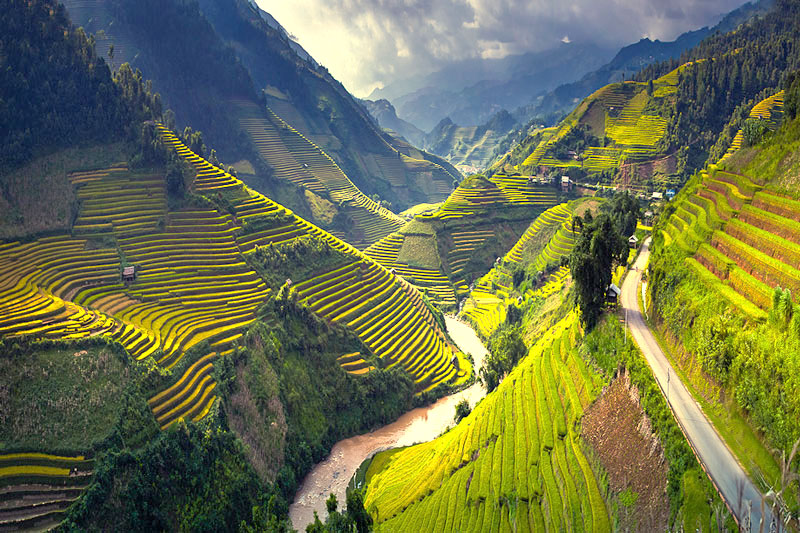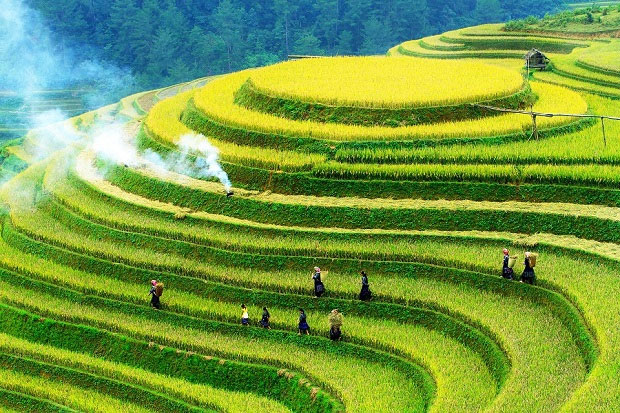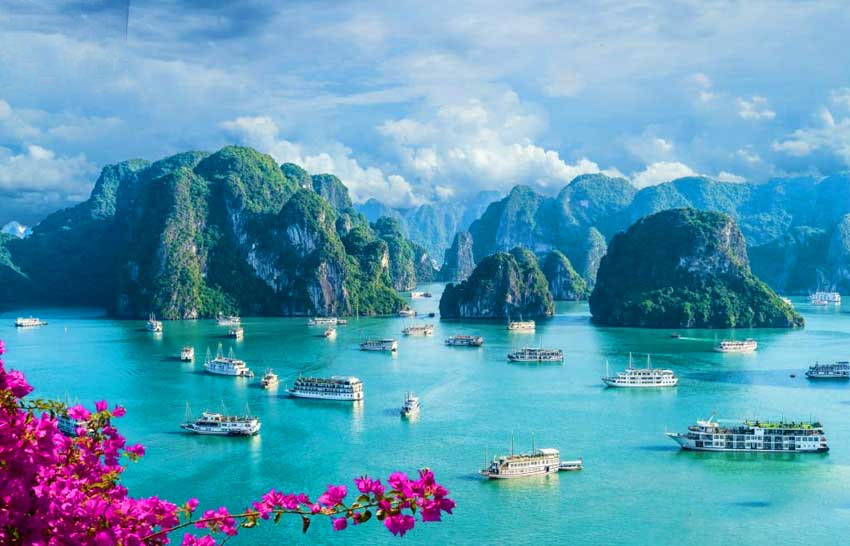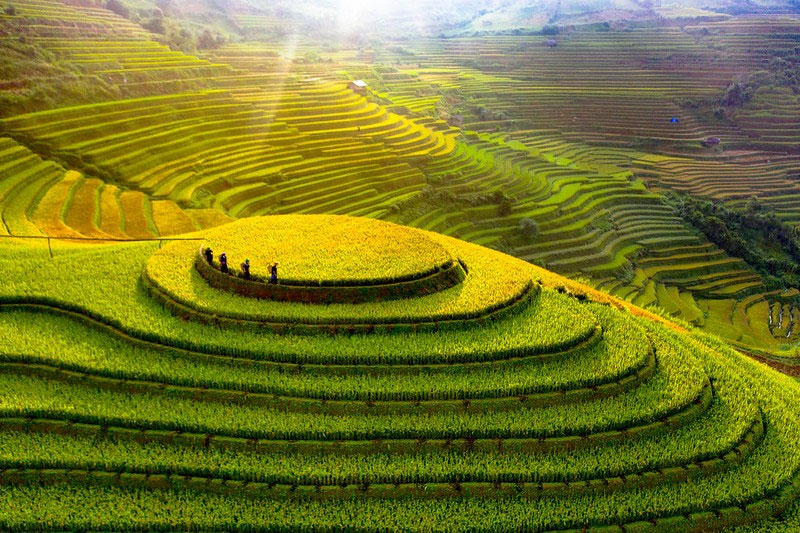
Winter in Northern Vietnam not only brings the freezing cold but also opens up countless enchanting natural landscapes. Traveling to the North in winter, besides admiring the picture of forests, valleys, and flower hills immersed in frost, you also have the opportunity to experience many unique cultural features and festivals of the indigenous people by the flickering firelight.
1. The beauty of winter in the North
Winter in the North usually starts from the end of November and lasts until about the beginning of February of the following year. The climate at this time is relatively cold, warmer in the Northern Delta and gradually colder towards the highlands in the Northeast, in some places the temperature can drop below 0°C, even snow falls like in Sapa, Mau Son or Phia Oac, bringing a rare scene in the tropics. The bitter cold blends with the thick fog to create a hazy winter picture, both quiet and charming.
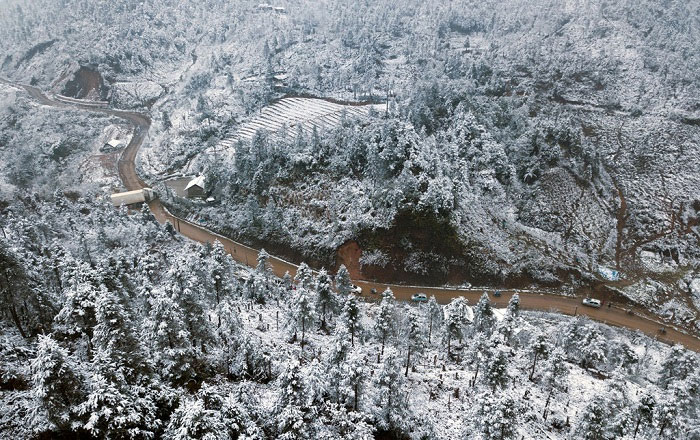
In the winter, the Northern landscape becomes more mysterious and attractive than ever. The towering mountains and green pine forests hidden in the mist, evoke the feeling of being lost in a fairy world. The valleys of white and yellow mustard flowers, and buckwheat flower fields are like gentle but equally splendid accents. When the flowers bloom in the cold winter weather, they are like many small lights lighting up the whole land, captivating many visitors.
There are many reasons why winter is the ideal time to explore Northern Vietnam. The cold brings a completely different weather experience compared to the rest of the country. In addition, winter is also the time when traditional festivals take place in many localities. And, what could be more wonderful than in the cold weather, people can gather together and enjoy hot specialties. From boiling hot pots, fragrant grilled skewers to warm bowls of porridge, warm cups of wine, all bring a feeling of warmth and closeness, dispelling the cold of winter.
The beauty of the Northern winter lies not only in the romantic natural scenery but also in the emotions and experiences it brings. This is the season of silence, of quiet moments and of unforgettable beautiful memories.
2. The most attractive winter tourist destinations in the North
2.1. Sapa, Lao Cai
Sapa, a small town nestled in the mountains and forests of the Northwest, in Lao Cai province, is one of the most attractive winter tourist destinations in the North. When the cold comes, the temperature in Sapa can drop very low, even below 0 degrees Celsius, sometimes there will be ice and snow. The climate is cold but fresh, thick fog covers the magical mountains like in a fairy tale. One of the most attractive things for tourists when coming to Sapa in winter is the opportunity to “hunt” for snow, especially on the top of Fansipan. Known as the “roof of Indochina”, at an altitude of 3,143m, when the cold comes, Fansipan peak will sometimes be covered with a layer of pure white snow, extremely splendid and magnificent. From the top of the mountain, you can admire the sea of white clouds covering the mountains and valleys below. In addition, you can also visit Cat Cat village – a village of the H’Mong people, or Sapa Stone Church hidden in the thick fog, which are places where many cultural activities and unique festivals of local people are held throughout the winter.
2.2. Moc Chau, Son La
When the cold begins to creep through the hills and forests, Moc Chau puts on a charming beauty that captivates people. Moc Chau’s climate at this time is very cold, with temperatures that can drop below 10 degrees Celsius, especially at night. In the morning, Moc Chau is often covered in thick fog, which is the ideal time for you to enjoy the fresh air and feel the peace of the highlands. In winter, Moc Chau is romantically beautiful with the pure white color of rapeseed flowers and plum flowers. The vast, white rapeseed fields, interspersed with valleys of blooming plum flowers, create an extremely poetic landscape. The lush green tea hills, winding along the hillsides, sketching soft lines in the middle of Moc Chau’s nature, are also a highlight not to be missed in winter. Moc Chau also has a walking street that preserves many cultural features of ethnic minorities, where visitors can sit together to warm up by the flickering fire, eat ice cream and watch the artificial snow fall. In addition, when winter comes, Ban Ang Pine Forest, immersed in mist, is also a destination that attracts tourists because of its quiet and mysterious beauty, a great place to camp and enjoy the cold winter nights in the middle of nature.
2.3. Ta Xua, Son La
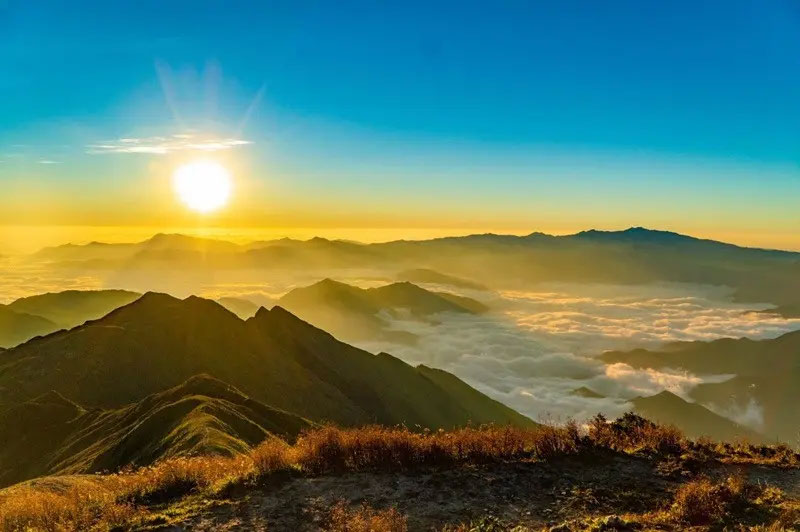
Winter covers Ta Xua with the cold weather typical of the highlands of the North. The temperature here can drop low, sometimes reaching 5-10°C, which is the ideal time for you to experience the cold and fresh air, completely different from the big cities. Ta Xua is famous for its majestic mountain ranges and natural scenery. Especially in winter, this place becomes more magical than ever, with the sea of white clouds floating, you can reach out and touch them.
The rolling sea of clouds of Ta Xua, stretching endlessly like a white ocean, has become a typical symbol, attracting thousands of tourists and photographers to hunt for clouds every early morning. Ta Xua Wind Peak, one of the highest points here, offers a stunning view of the vast, vast natural panorama.
Another famous destination in Ta Xua is the “dinosaur spine” – a long, narrow and high mountain range, with deep abysses on both sides, providing a precarious and interesting experience. After hours of exploration, visitors can enjoy local specialties such as grilled local pork, steamed hill chicken, hot spring fish hotpot, combined with corn wine made from leaves, which will warm the hearts of visitors from afar.
2.4. Ha Giang
Ha Giang, the land at the head of the Fatherland, is famous for the wild beauty of the mountains and forests and many unique traditional cultural values of ethnic minorities. Winter in Ha Giang is quite cold, especially at night, the temperature can drop below 0°C in high areas such as Dong Van, Meo Vac. Ha Giang often has dense fog in the early morning and sometimes frost or light snow appears. Although the weather is cold, this bitter cold highlights the beauty of nature and highland culture, bringing unforgettable experiences to visitors. Ha Giang in winter impresses with hills of yellow mustard flowers and buckwheat flowers covering the villages, brilliant like a colorful painting. Along with that, if you are lucky, you can encounter rare snowfall days in Ha Giang, especially in high areas such as Dong Van and Meo Vac. Cloud hunting in the early mornings at Ma Pi Leng Pass, Chieu Lau Thi or other high points is also an activity that attracts many tourists and photographers. In winter, especially near the Lunar New Year, ethnic minorities in Ha Giang often organize many traditional festivals. Long Tong Festival, Khau Vai Love Market or festivals of the H’Mong and Dao people all bring unique and unforgettable cultural experiences.
2.5. Mau Son, Lang Son
One of the most unique and attractive destinations in the North in winter is Mau Son. At an altitude of over 1,500 meters above sea level, in winter, Mau Son is famous for its bone-chilling cold temperature, with some days the temperature drops below 0°C, enough to turn this place into an extremely impressive and rare white snow paradise in Vietnam. The scene of white snow covering the hills, the frozen tree branches sparkling under the weak winter sunlight is as beautiful as the high mountains in Europe. Especially on cold winter days, Mau Son is often covered by thick layers of clouds. Standing on the top of the mountain, you can feel the vastness of the sky and earth, with layers of white clouds floating right below your feet, giving you the feeling of being lost in a fairyland. Living on the mountain tops in Mau Son are the Dao people with ancient houses, imbued with traditional culture. You can visit the villages, explore the daily life of the people here, enjoy many specialties such as smoked meat, roasted pork and warm Mau Son corn wine, bringing a pleasant feeling, dispelling the cold and warming the hearts of travelers.
2.6. Mai Chau, Hoa Binh
Winter in Mai Chau brings a cool, pleasant atmosphere, with an average temperature ranging from 10-18°C. The climate here is not as cold as the above locations, but still enough for you to clearly feel the cold of the Northern winter. In the early mornings and late afternoons, Mai Chau is often immersed in a layer of mist, the space is both poetic and extremely peaceful. In winter, Mai Chau landscape becomes harmonious and quiet. The villages of the White Thai people such as Ban Lac and Ban Pom Coong are unmissable winter tourist destinations in Mai Chau, where you can experience the simple, rustic life of the indigenous people, immerse yourself in dances, the sound of the panpipe and enjoy specialties such as bamboo rice, grilled meat, or sticky rice. In addition, you can also relax in Kim Boi hot spring, check-in at the white Thung Khe pass or visit Hang Chieu with more than 1,200 stone steps leading up, admiring the panoramic view of Mai Chau valley immersed in romantic winter fog.
2.7. Binh Lieu, Quang Ninh
In winter, the air in Binh Lieu is chilly and not too harsh, completely different from the freezing cold in other highland areas. In particular, the white So flower season is one of the most prominent highlights of Binh Lieu in winter. So flowers bloom from late November, early December and last until January, with pure white petals, fragile as morning dew, spreading across the poetic hillsides. Every year, Binh Lieu organizes the So flower festival to honor the beauty of this flower, attracting many tourists to visit and take photos.
Binh Lieu in winter is also a paradise for those who love outdoor activities and cloud hunting. Cao Ly Mountain, with Cao Xiem peak 1,429m above sea level, is an ideal place to camp overnight, watch the sunrise, and hunt clouds in the early morning. Binh Lieu is also famous for the trend of “backpacking” the Vietnam – China border landmarks located in the middle of the mountains and forests, notably the 1300, 1302, 1305, and 1327 markers, which are not only sacred symbols marking national sovereignty but also an ideal destination to have sparkling check-in photos in the middle of immense nature.